Paint-billed Crake in Galápagos: Facts and Where to See It
The paint-billed crake (Mustelirallus erythrops, also listed as Neocrex erythrops) is a small rail, 18 to 20 cm long, named for its red and yellow bill. It lives in Central and South America and in the Galápagos Islands, where it keeps to humid woodland and dense grass. It is very furtive and hard to see. Naturalist guides' sighting records place it at 1 visitor site.
Good to know
| Scientific name | Mustelirallus erythrops (also Neocrex erythrops) |
|---|---|
| Group | Land birds, rail family |
| Endemic to Galápagos | No; Costa Rica to Argentina, coastal Ecuador and Peru, Galápagos |
| Size | 18 to 20 cm |
| Weight | About 40 to 70 g |
| Diet | Invertebrates such as millipedes and beetles, also seeds |
| Eggs | 3 to 7, in a hidden grass nest |
| IUCN status | Least Concern |
| In Galápagos | At 1 site (guide sighting records) |
- Wikipedia, Paint-billed crake (all rows)
A bird with a painted bill
The crake gets its name from its red and yellow bill, and it has bright red legs to match. The crown, nape, back and tail are brown, the face and breast grey, the throat white, and the flanks and belly barred black and white. Males and females look alike. The Galápagos birds belong to the nominate subspecies, which also lives in coastal Ecuador and Peru.
- Secretive. Field guides call it very furtive and difficult to observe, and it does not respond to recorded calls.
- Voice. Its song is a long, accelerating series of yelping notes; calls include soft purring and a sharp "twack".
- Wanderer. It has turned up far outside its range, as far as Texas and Virginia.
- Wikipedia, Paint-billed crake (bill, legs, plumage, subspecies, furtive, playback, voice, vagrancy)
Where the crake lives and nests
Across its range, the paint-billed crake uses a wide variety of landscapes: reedbeds and marshes, wet and dry pastures, rice fields and fairly dry bushy areas. In Galápagos it lives in humid woodlands. It forages in soil, leaf litter and standing water, and at dawn and dusk has been seen feeding in open spots next to dense vegetation. It builds a bowl nest of green grass on or near the ground, partly hidden, and lays three to seven creamy eggs blotched with red; incubation takes at least 23 to 25 days.
- Wikipedia, Paint-billed crake (habitats, Galápagos humid woodland, foraging, nest, eggs, incubation)
Where to see paint-billed crakes
Guide sighting records list one site: Punta Moreno on Isabela, where a walk crosses a lava field with small brackish pools and mangroves. The guides rate the crake Rare there. Watch the edges of the vegetation near the pools, quietly, and be content with a brief glimpse.
- Our guide sighting data
- Wikipedia (feeding next to dense vegetation)
Rare
- Punta Moreno, Isabela.Landing, panga ride. Seen all year.Rare
How you see them: landing at 1 site, panga ride at 1 site.
When to see them
The guide records list the crake at Punta Moreno in every month. Its breeding season varies widely across its range. In the next twelve months, 317 departures stop at the site.
- Our guide sighting and departure data
- Wikipedia (breeding season)
- 15
- departures in November 2026
Show the November 2026 departures - 22
- departures in December 2026
Show the December 2026 departures - 19
- departures in January 2027
Show the January 2027 departures - 21
- departures in February 2027
Show the February 2027 departures - 240
- departures in the other 8 months
Choose a month in the list - 317
- departures in the next twelve months stop where they are seen
Show all departures
Is the paint-billed crake endangered?
No, it is listed as Least Concern. It has a very large range, but its population size and trend are unknown, and no immediate threats have been identified. Because it is so hard to see, experts say its status, distribution, movements and breeding still need investigation.
- Wikipedia, Paint-billed crake (IUCN assessment, Birds of the World)
Mistakes to avoid
- Playing calls. It does not respond to playback, and park rules ask visitors not to disturb wildlife.
- Talking at the pools. A shy bird needs quiet.
- Counting on a sighting. The one site in the guide records is rated Rare.
- Wikipedia
- Galápagos National Park Rules
- our guide sighting data
Frequently asked questions
Why is it called the paint-billed crake?
Because of its red and yellow bill, which looks as if it had been painted.
- Wikipedia, Paint-billed crake
Where does the paint-billed crake live in Galápagos?
In humid woodlands. Our guides record it at Punta Moreno on Isabela, rated Rare.
- Wikipedia, Paint-billed crake
- our guide sighting data
What does the paint-billed crake eat?
Little is known about its diet. It eats invertebrates such as millipedes and beetles, and also seeds, foraging in soil, leaf litter and shallow water.
- Wikipedia, Paint-billed crake
Is the paint-billed crake rare?
It is listed as Least Concern and has a very large range, but it is so secretive that it is seldom seen and its numbers are unknown.
- Wikipedia, Paint-billed crake
Availability and prices updated
Departures that take you to them
Every Galápagos cruise in this list stops at least once at a site where our guides see the Paint-billed Crake. The best chances come first, and each departure shows the site and the day. Found one that suits you? Ask us about it. There is no booking and no payment: we check the departure and reply.
Next departures with a good chance
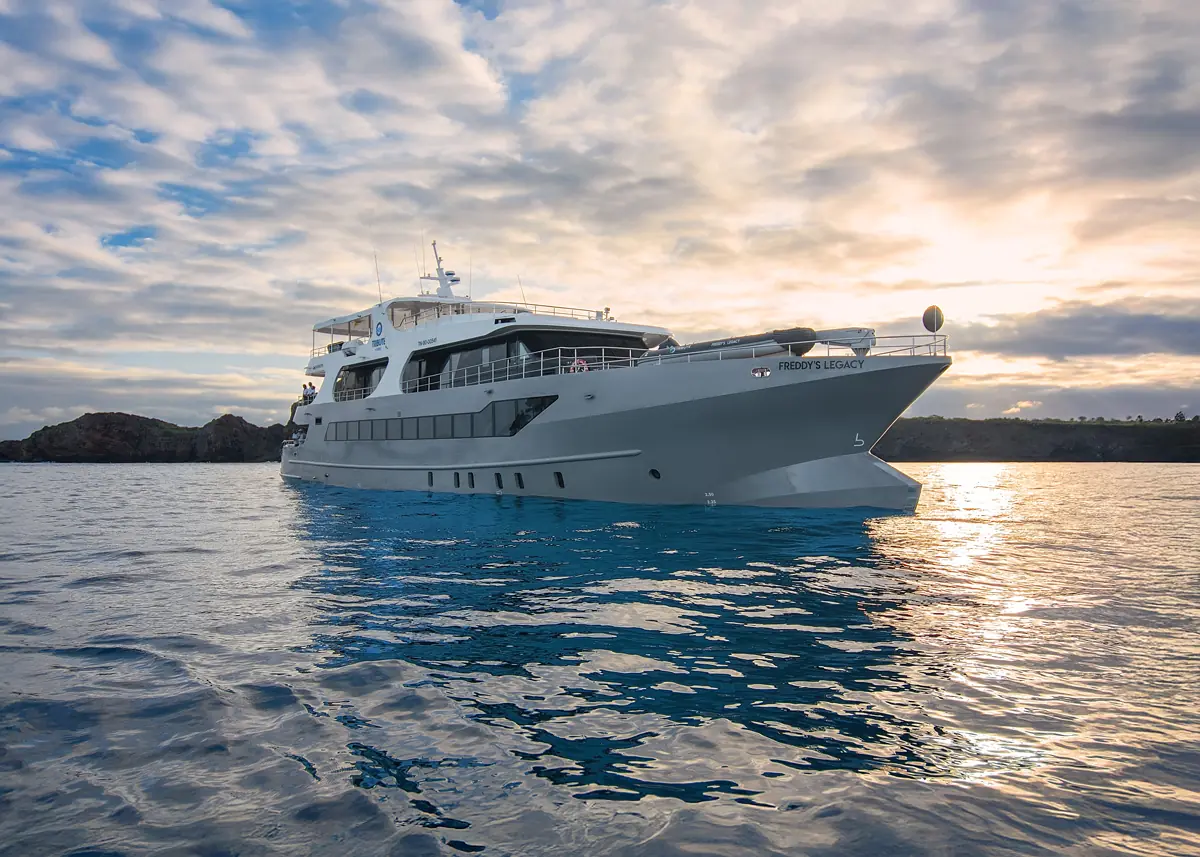
November 12, 2026 · Tribute, 7-Day Western Islands: Fernandina's Marine Iguanas
Rare: Punta Moreno, day 3. 5 spots
from US$7,916 per guest
Check availability
November 14, 2026 · Grand Ocean Spray, 6-Day Western Islands: Fernandina's Underwater Iguanas
Rare: Punta Moreno, day 4. 7 spots
from US$7,191 per guest
Check availability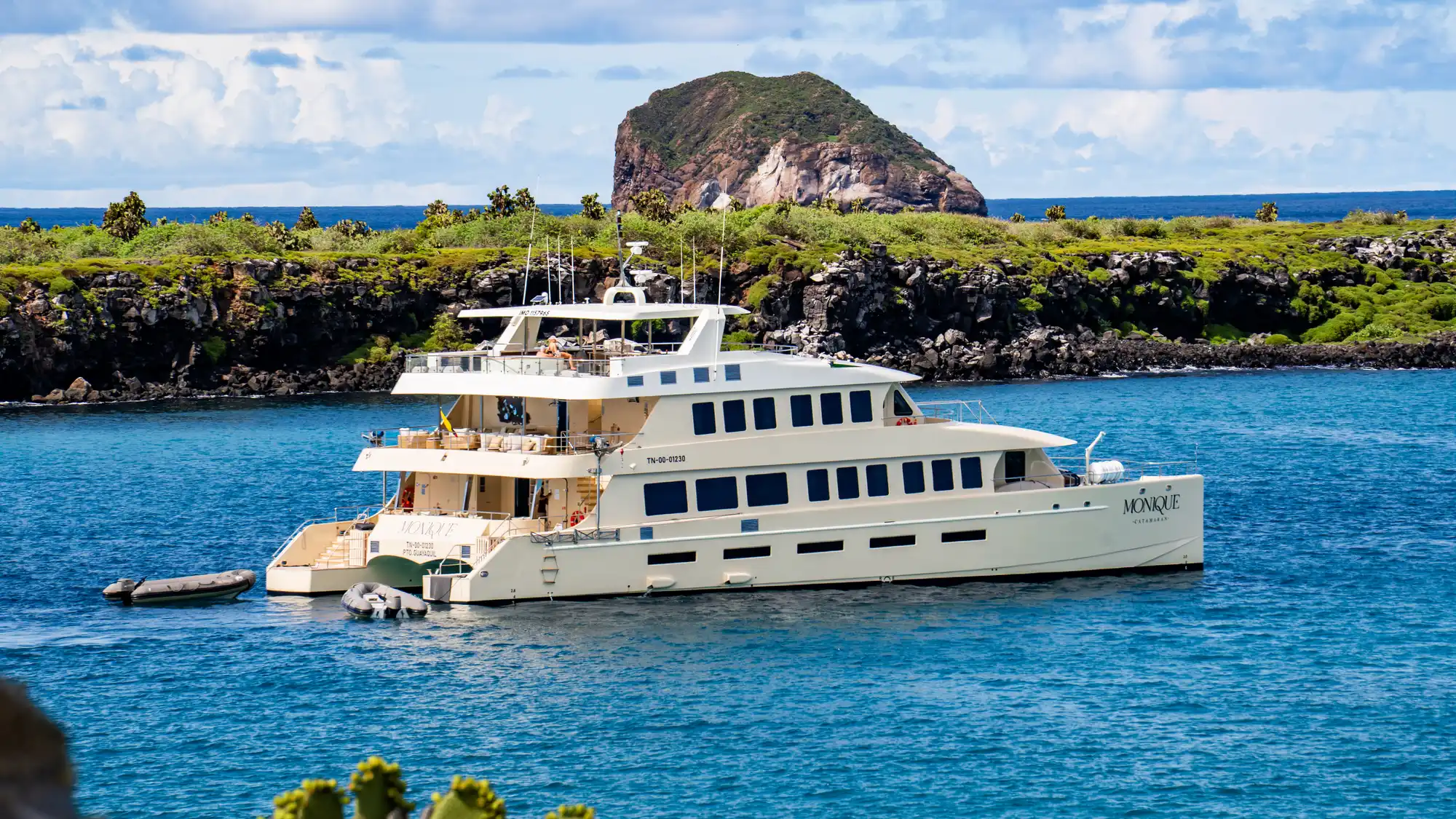
November 19, 2026 · Monique, 8-Day Western Islands: Elizabeth Bay's Penguins
Rare: Punta Moreno, day 4. 8 spots
from US$6,632 per guest
Check availability
1,108 departures
On every departure
Included
All meals on board · Two certified national park naturalist guides · All excursions and landings listed in the itinerary · Snorkelling gear and wetsuit · Kayaks and stand-up paddleboards on board · Coffee, tea and water at any time
How you see them
Landing at 1 site · Panga ride at 1 site