Yellow Warbler in Galápagos: Facts and Where to See It
The yellow warbler of Galápagos (Setophaga petechia aureola) is a small, bright yellow songbird, about 12 cm long and 8 grams, found from the coast up to the highlands of the archipelago. It is a subspecies shared only with Cocos Island off Costa Rica. Naturalist guides note it as present across the islands, with 3 visitor sites listed in the sighting records.
Good to know
| Scientific name | Setophaga petechia aureola |
|---|---|
| Group | Land birds |
| Endemic | Subspecies of Galápagos and Cocos Island |
| Size | About 12 cm |
| Weight | About 8 g |
| Lifespan | About 10 years |
| Diet | Insects such as midges, caterpillars and beetles |
| Eggs | 2 to 5, hatching after about 10 days |
| IUCN status | Least Concern |
| In Galápagos | All year, across the islands (guide sighting records) |
- Galapagos Conservation Trust, yellow warbler species page (all rows)
A newcomer in bright yellow
The yellow warbler is thought to have reached Galápagos less than 300,000 years ago, which makes it a relative newcomer among the island birds. Its colours make it easy to pick out.
- Males. Bright yellow, with a red cap in the breeding season and red streaks on the chest.
- Females. Yellow with pale streaks or none.
- Young birds. Generally duller.
Pairs are monogamous. The female builds a small cup nest in a tree and mostly sits on the eggs and young; the male guards the nest and brings food to her and the chicks.
- Galapagos Conservation Trust (arrival, plumage, nest, roles)
Where the yellow warbler lives and what it eats
Yellow warblers live across the archipelago, from mangroves and coastal scrub up to the green highlands. They eat insects such as midges, caterpillars and beetles, which they catch in short flights like a flycatcher or pick from the ground and from trees.
- Galapagos Conservation Trust (range, diet, foraging)
Where to see yellow warblers in Galápagos
The guide sighting records note yellow warblers as present across the archipelago, so most landings offer a chance. Of the 3 sites listed by name, all are rated Rare as specific sightings: Darwin Bay on Genovesa, Tagus Cove on Isabela and the Isabela Wetlands near Puerto Villamil.
- Our guide sighting data
Rare
- Darwin Bay, Genovesa.Landing, snorkelling. Seen all year.Rare
- Isabela Wetlands, Isabela.Landing. Seen all year.Rare
- Tagus Cove, Isabela.Panga ride, hiking. Seen all year.Rare
How you see them: landing at 2 sites, snorkelling at 1 site, panga ride at 1 site, hiking at 1 site.
When to see them
Yellow warblers can be seen at any time of year. Males wear their red cap in the breeding season. In the next twelve months, 585 departures stop at a site where they are recorded.
- Galapagos Conservation Trust (all year, breeding plumage)
- our guide sighting and departure data
- 23
- departures in November 2026
Show the November 2026 departures - 37
- departures in December 2026
Show the December 2026 departures - 39
- departures in January 2027
Show the January 2027 departures - 39
- departures in February 2027
Show the February 2027 departures - 447
- departures in the other 8 months
Choose a month in the list - 585
- departures in the next twelve months stop where they are seen
Show all departures
Is the yellow warbler endangered?
No, it is listed as Least Concern. In Galápagos the main threat is invasive species: the avian vampire fly Philornis downsi lowers chick survival, the introduced smooth-billed ani robs eggs from warbler nests, and an invasive mosquito has brought avian malaria, which now infects the birds. Pesticides from growing towns may also reduce their insect prey. The species is protected by the Galápagos National Park, and invasive species are controlled continuously.
- Galapagos Conservation Trust (status, threats, protection)
Mistakes to avoid when looking for one
- Looking only for the big animals. Warblers are small and quick; watch the scrub and mangroves at the edge of trails.
- Confusing the females. Females lack the red cap and may have no streaks.
- Feeding birds. Park rules forbid feeding wildlife.
Frequently asked questions
How rare is a Yellow Warbler?
Not rare. It is listed as Least Concern, and in Galápagos it is found across the archipelago, from the coast to the highlands, all year. The Galápagos birds form their own subspecies, shared only with Cocos Island.
What are the most common birds to see in the Galapagos Islands?
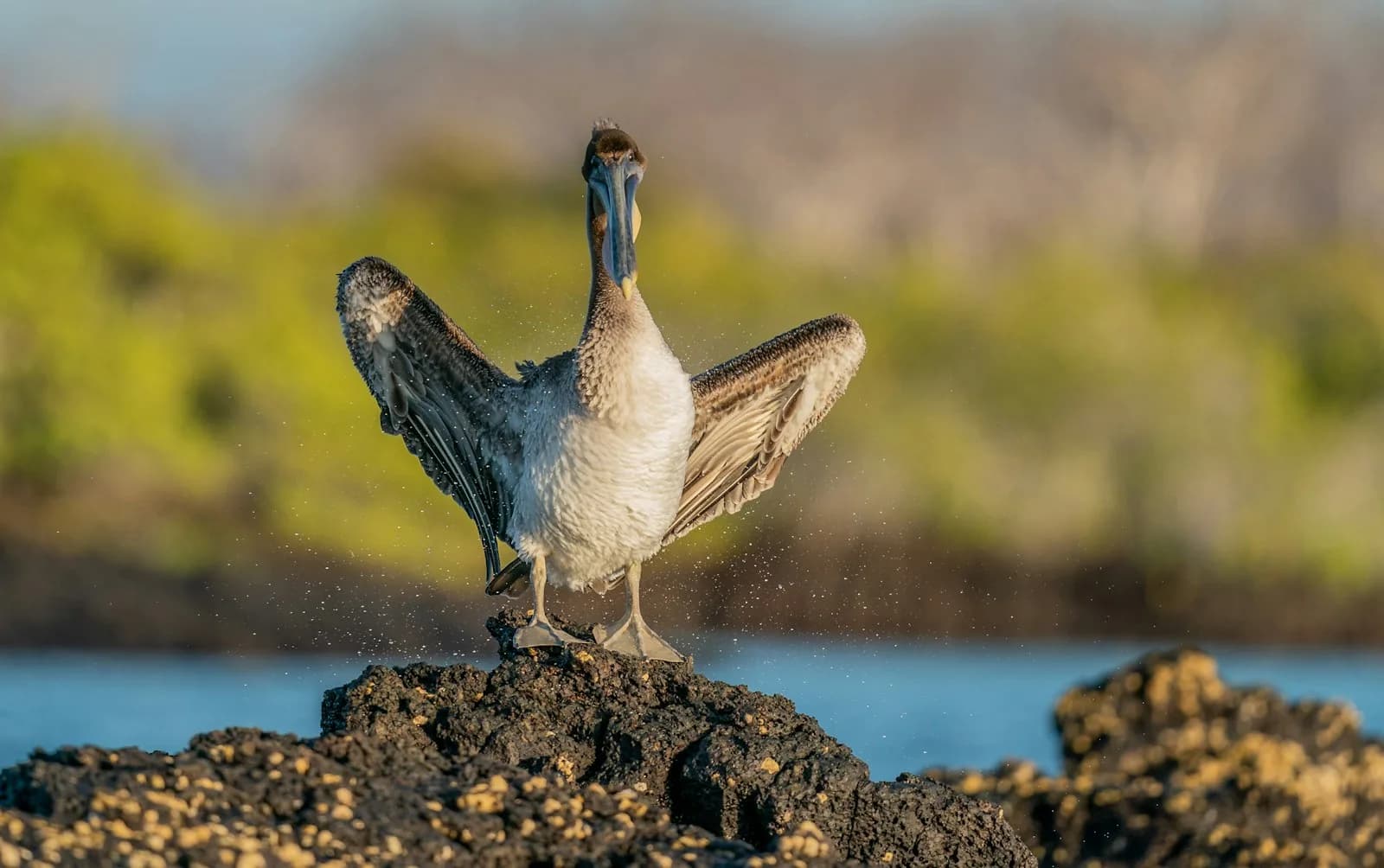
Among the small land birds, the yellow warbler is one of the most widespread, seen from mangroves to the highlands on most islands. Seabirds such as the blue-footed booby and the brown pelican are also common along the coasts.
- Galapagos Conservation Trust
- our guide sighting data
What does the Galápagos yellow warbler eat?
Insects: midges, caterpillars and beetles. It catches them on short flights or picks them from the ground and from trees.
Why do some yellow warblers have a red cap?
Males grow a red cap and red streaks on the chest in the breeding season. Females have pale streaks or none, and young birds are duller.
Availability and prices updated
Departures that take you to them
Every Galápagos cruise in this list stops at least once at a site where our guides see the Yellow Warbler. The best chances come first, and each departure shows the site and the day. Found one that suits you? Ask us about it. There is no booking and no payment: we check the departure and reply.
Next departures with a good chance
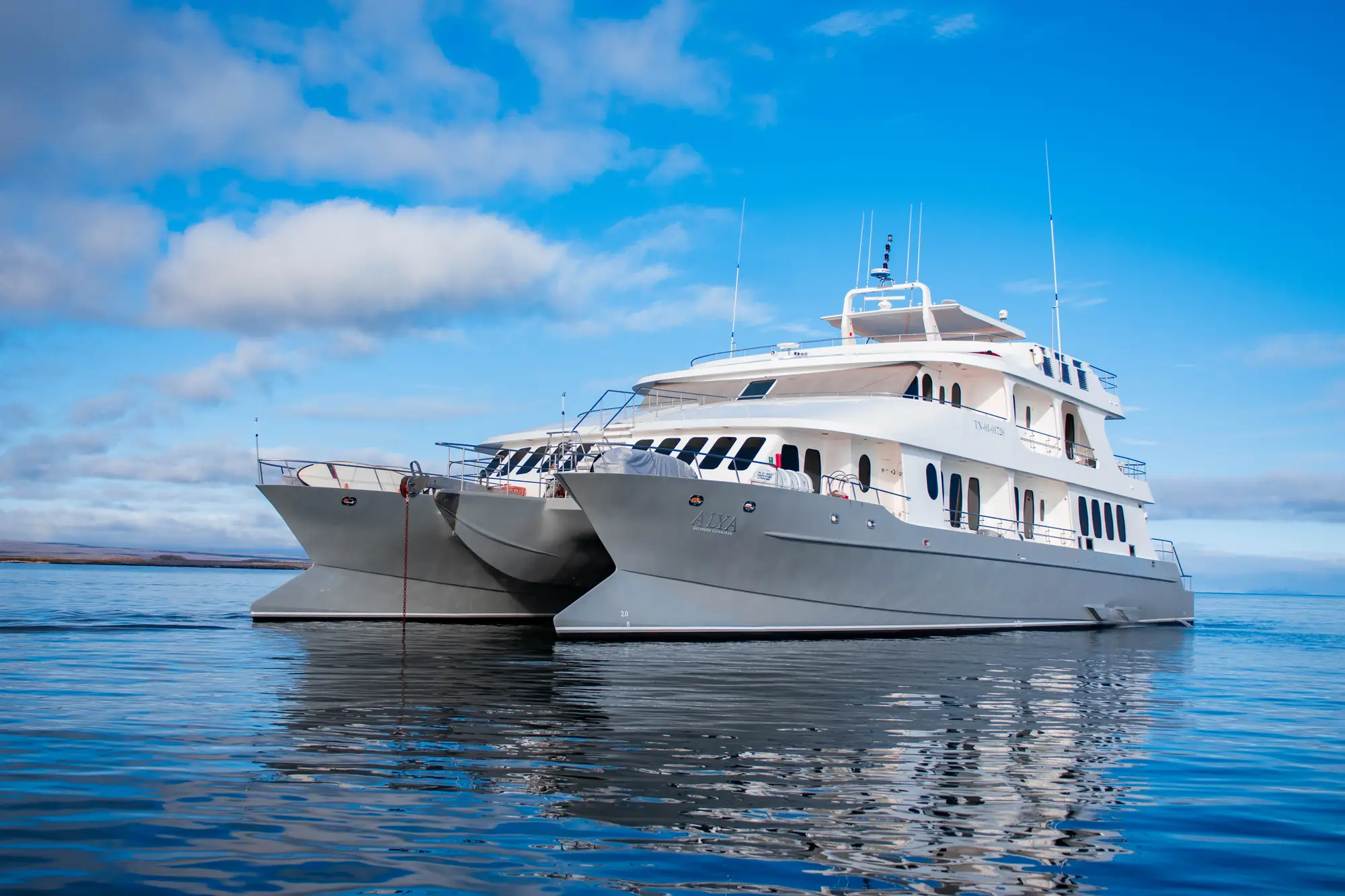
November 12, 2026 · Galaxy Sirius, 6-Day Western & Northern: Rabida's Red Sand Beach
Rare: Darwin Bay, day 5. 6 spots
from US$5,680 per guest
Check availability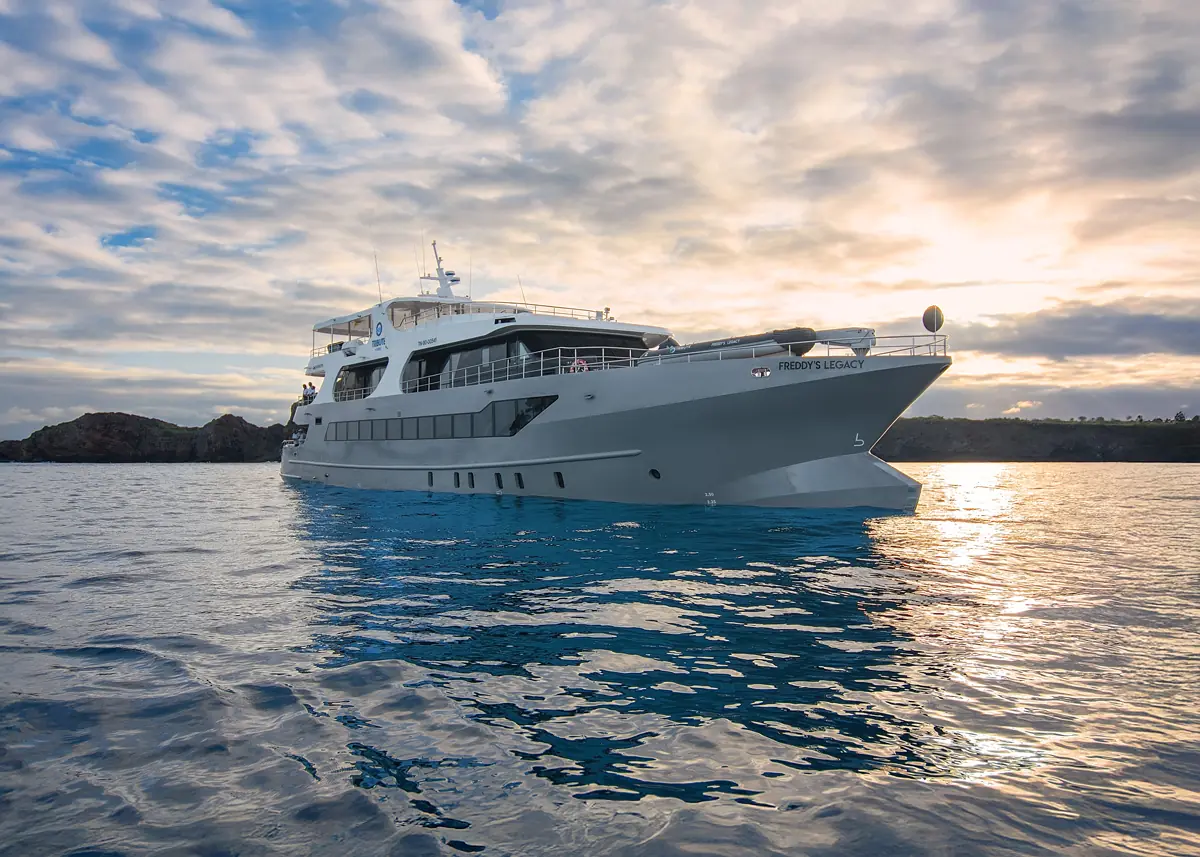
November 12, 2026 · Tribute, 7-Day Western Islands: Fernandina's Marine Iguanas
Rare: Isabela Wetlands, day 2. 5 spots
from US$7,916 per guest
Check availability
November 14, 2026 · Grand Ocean Spray, 6-Day Western Islands: Fernandina's Underwater Iguanas
Rare: Tagus Cove, day 3. 7 spots
from US$7,191 per guest
Check availability
1,825 departures
On every departure
Included
All meals on board · Two certified national park naturalist guides · All excursions and landings listed in the itinerary · Snorkelling gear and wetsuit · Kayaks and stand-up paddleboards on board · Coffee, tea and water at any time
How you see them
Landing at 2 sites · Snorkelling at 1 site · Panga ride at 1 site · Hiking at 1 site